

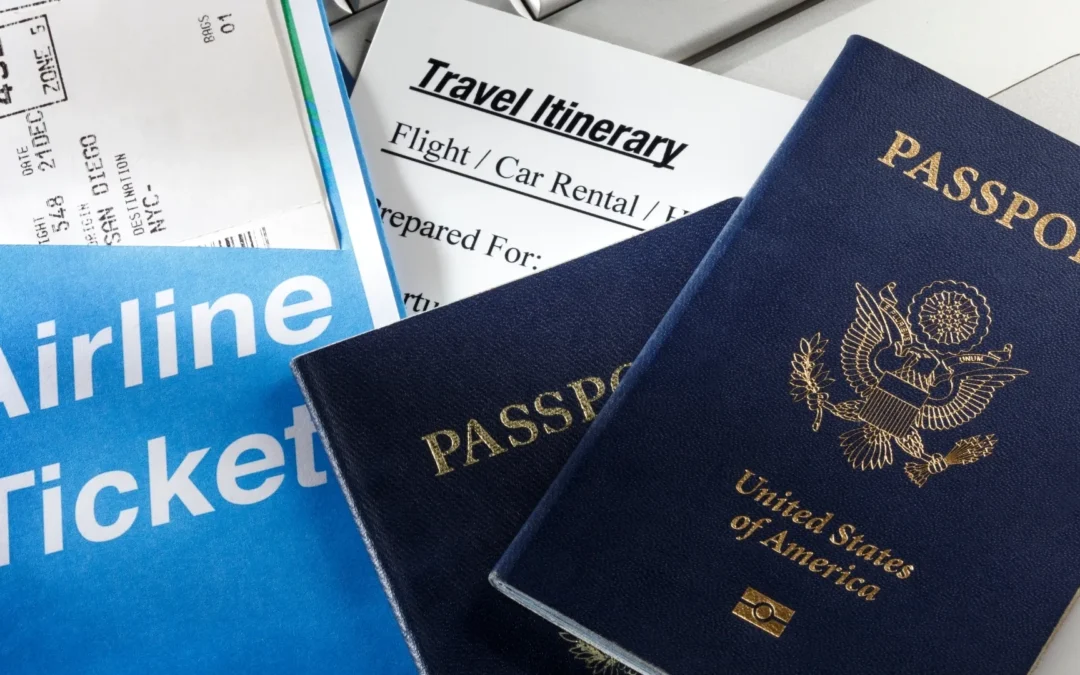
Traveling can be exciting, educational, and refreshing. For people who use hearing aids, traveling also brings unique considerations. From airport security to storage and battery management, preparation helps ensure a smooth and enjoyable trip. The good news is that modern hearing aids are designed for mobility and comfort, and most destinations are supportive of hearing accessibility. With the proper planning, travelers with hearing aids can navigate transportation, hotels, and activities with confidence.
Keep Hearing Aids On During Travel
Many first-time travelers wonder whether they should remove their hearing aids before entering airports, boarding planes, or riding trains. In most cases, hearing aids should stay on. Sound awareness helps travelers hear instructions, boarding calls, and safety announcements. Removing devices can increase stress and make communication harder.
At airport security checkpoints, hearing aids do not need to be removed. Metal detectors and body scanners do not harm hearing aids and will not trigger alarms. Travelers can walk through security while wearing their devices. If a hearing aid connects to a phone through Bluetooth, it may need to be placed in airplane mode once onboard, depending on airline rules. This does not affect core hearing functions.
Protecting Hearing Aids During the Journey
Hearing aids are small and valuable, so storing them correctly is essential. A sturdy carrying case protects them when they are not in use. Hard-sided cases protect against impact, while soft pouches help organize accessories. Many travelers also bring a drying container to manage moisture, which can build up due to climate changes on planes or in humid destinations.
The weather can affect hearing aids. Heat, humidity, and sudden temperature changes may cause condensation inside the device. Drying kits or portable dehumidifier cases help keep electronics safe. Travelers visiting beaches or tropical areas should be aware that sand and saltwater can damage hearing aids. A hat or headband can shield them from spray or sweat during outdoor activity.
Managing Batteries and Charging
Battery management is one of the most essential parts of traveling with hearing aids. Users should check how long their batteries last and plan for delays or unexpected schedule changes. If the hearing aid uses disposable batteries, bring extra. Some countries use different battery sizes or sell batteries at higher prices.
If the devices are rechargeable, pack the charger in a carry-on bag rather than checked luggage. Checked bags may be lost or delayed, while carry-on items remain accessible. If the charger includes a power adapter or cable, confirm that it matches the electrical outlets used at the destination. Travelers may need a plug adapter. Voltage converters are usually not required for modern electronic devices, but it is helpful to check the manufacturer’s instructions.
Flying with Hearing Aids
Flying introduces sound environments that change quickly. Gate areas, cabins, and announcements can be noisy or unclear. Hearing aids help travelers stay aware of instructions, especially during boarding and safety demonstrations. Bluetooth streaming may provide direct audio for entertainment systems, but this depends on the flight and equipment.
Changes in cabin pressure during takeoff and landing do not damage hearing aids. However, some people experience ear discomfort due to pressure. Chewing gum, swallowing, or yawning helps equalize pressure. Turning down the volume before takeoff may prevent discomfort if cabin noise spikes suddenly, such as during engine start.
Staying Organized on the Road
Organization reduces stress. A small travel kit keeps hearing accessories in one place. A proper kit may include:
- Extra batteries or charging equipment
- Cleaning tools such as brushes or wipes
Keeping the kit in a carry-on bag ensures access during long flights or bus rides. In hotels, a designated shelf or box prevents hearing aids from being misplaced. Before bed, hearing aids should be cleaned and placed in a dry container. Travelers who are active or adventurous should consider wearing retention clips or cords to prevent loss during sports or excursions.
Communicating with Hotels and Transportation Staff
Staff members in hotels, airports, and transportation centers can assist travelers who use hearing aids. For example, travelers may request visual alerts for door knocks, wake-up calls, or fire alarms. Many hotels offer accessibility devices upon request.
Tour guides and airline staff can repeat or speak more clearly if needed. A simple explanation, such as “I use hearing aids and need clear instructions,” helps set expectations. Asking for printed instructions, written schedules, or text alerts also supports communication.
Using Technology to Support Travel
Technology offers new tools for hearing aid users on the road. Smartphone apps can adjust hearing aid settings, translate languages, display airline information, and show maps. Some hearing aids connect directly to phones for call streaming or navigation prompts. These features are helpful in noisy places such as train stations or crowded city streets.
Telecommunication access also continues to improve. Many airports and attractions offer hearing loops that transmit sound directly to hearing aids equipped with a telecoil. Travelers can look for hearing loop symbols near counters or seating areas.
Conclusion
Traveling with hearing aids is easier than many people expect. Modern devices are designed to handle diverse environments and daily movement. By keeping hearing aids on during travel, protecting them from damage, managing battery needs, and organizing accessories, users can prevent common problems. Communication with staff and use of supportive technology add convenience and confidence. With preparation and awareness, people who use hearing aids can explore the world with comfort, safety, and enjoyment.